Deep down, you know it
I moved abroad and thought I would be fine, I had my phone. Then I realized I was substituting.
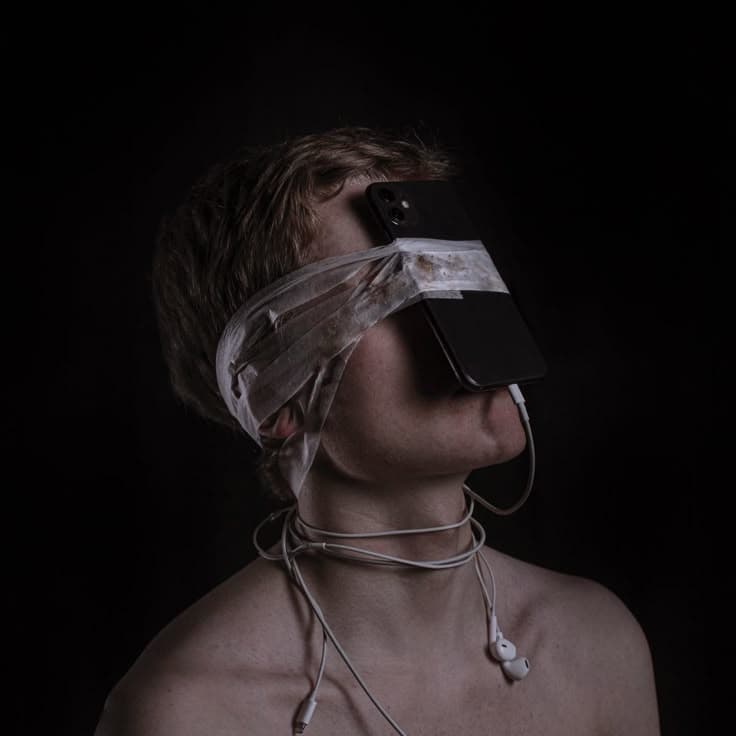
Seven months ago I moved abroad. Alone, far from everyone I knew.
The first week I genuinely believed I was going to be fine. I had my phone.
I wasn't fine. I had my phone.
There's this exercise where you convert your daily screen time into years of your life. I did it once and I'm not doing it again. What I remember is the number felt like a confession I hadn't agreed to make. It felt almost soulless.
Everyone talks about the addiction issue, but I find more of an insight the way it tastes. We could potentially use our devices for calling someone, build something or writing. But we just don't. We scroll. And I do not think that is an accident. Our feed is engineered to be exactly frictionless enough that doing anything else feels like effort. We could say the phone is not the problem actually, the direction is.
It is also a great exercise to try and remember a single piece of short-form content you watched yesterday. I did it, and I came up with three, from my favourite creators. Not more than that. I am spending that much time on something i can't even recall the next day. Isn't it alarming?
And lately I've been thinking about what that does to a person over time. You become what you consume, or at least, I think you do. I do feel like my feed is already part of my environment, because it is the single-most "interaction" I have thoughout the day. I look at my feed and it's a pretty honest portrait of who I am right now. I love and hate that equally. It means the feed can be a tool for self-definition, but it also means that if you're not choosing what's in it, someone else is choosing who you're becoming.
The thing I didn't expect when I moved abroad is that losing physical proximity to people didn't make me reach for my phone more in a sad way. It made me realize I'd been substituting. The people I felt like I "knew" online weren't part of my life. They were characters in a story I was consuming. Real connection, the uncomfortable, slow and kind, doesn't transmit through a screen. I know that sounds obvious. It didn't feel obvious until it was gone.
What I find genuinely insightful is where this seems to be heading. Run clubs, hackathons where people want to build in the same room even when they could just be online, or tech companies building apps to help you detox. We've created the problem and now we're trying to find the solution. We have realized we have to be extreme in order to be back to the basics of real-life human connection.
Don't get me wrong, I'm a big advocate of technology and innovation (I study computer science). I think the people building the future are mostly right to be excited. But I'm starting to think one of the most underrated innovations of the next decade won't be a new model or software. It'll be someone figuring out how to get people together, and build something around them. Because we all know we don't want to end up telling ChatGPT our problems.
What I have realized from this period living abroad is that I don't recall something I watched in social media, I actually think about conversations I had and people I met. Like that old women I met on a bus from Cork to Dublin.
That is the part I remember.
next posts
The double favor: what getting my first job taught me
At 20, looking for a job means asking someone to teach you and pay you at the same time. What changed for me when I started giving before taking.
September 28, 2026What sales satisfyingly taught me
How getting into sales made me realize the power of asking questions, listening, and putting your ego aside.
August 6, 2026